
 SPEAKER SERIES: Dr. Curt R. Freed, AB '65, MD '69
When Will Stem Cells Be Used to Treat Parkinson's Disease, Diabetes, and Heart Disease?
Please join us on Monday, January 30, 2012 for Dr. Curt Freed, MD a leading
expert and distinguished researcher in the field of Neurotransplantation and
Parkinson's Disease. 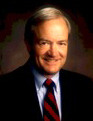
Dr. Freed will review the different kinds of stem cells that are candidates to treat patients. These include bone marrow stem cells, embryonic stem cells, and stem cells made by genetically reprogramming skin cells from an individual person. He will describe the potential for stem cells to treat particular diseases and perhaps even to build new hearts.
Session Summary1. The most common kind of stem cell transplant is a bone marrow transplant used in the treatment of blood diseases like anemia and some forms of cancer. Bone marrow transplants have been done for more than 30 years.
2. Embryonic stem cells and "induced pluripotent stem cells" (iPS cells) derived from a person's own skin have the ability to be made into any cell in the body (pluripotent). These cells hold the most promise for treating diseases other than blood diseases.
3. Pluripotent stem cells can be made into the dopamine neurons needed to treat Parkinson's disease, insulin-producing cells to treat diabetes, and heart muscle cells to treat heart failure.
4. Whole organs like the heart can be made from stem cells.
The presentation will be 7-8pm, with conversation and refreshments starting at 6:30.
No charge for event, but space is limited to 68 guests, so please RSVP early!
About the Speaker
Dr.
Curt Freed, MD is Professor of Medicine, Pharmacology, Neurosurgery, and
Neurology at the University of Colorado School of Medicine where he is Professor
and Head of the Division of Clinical Pharmacology, and Director of the Neurotransplantation
Program for Parkinson’s Disease.
He received his bachelor’s degree in Chemistry and Physics from Harvard College and his Doctor of Medicine degree from Harvard Medical School. Dr. Freed did residencies in Internal Medicine at Harbor General Hospital in Los Angeles, and in Psychiatry at Massachusetts General Hospital in Boston. This training was followed by a three year research fellowship in Clinical Pharmacology at the University of California San Francisco where he began research on Parkinson’s disease.
There has been a great deal of buzz about stem cells providing cures for many diseases that are not now treatable. While there is a lot of hype in these hopes, the stem cell field has real promise for treating diseases like Parkinson’s, diabetes, and heart failure. Dr. Freed’s group was the first in the United States to transplant new brain cells into Parkinson patients. That was 24 years ago, back in 1988. His group at the University of Colorado has done more such transplants than any group in the world.
Over the past 10 years, his laboratory has been using stem cells to create the dopamine neurons needed to treat Parkinson patients. These cells should be ready to implant into patients in the next few years.
Dr. Freed is the author of numerous scientific articles and in 2002 published “Healing the Brain,” a book for the general audience which describes the political as well as scientific aspects of his Parkinson’s research.